
10 Proven Tips to Perfect Your English Pronunciation

On this page
- Introduction
- Tip 1: Master the Sounds of the English Alphabet
- Tip 2: Understand Word Stress and Intonation
- Tip 3: Use Phonetic Transcriptions (IPA)
- Tip 4: Listen to Native Speakers Regularly
- Tip 5: Record Yourself Speaking
- Tip 6: Practice Speaking with a Language Partner
- Tip 7: Learn Regional Accents
- Tip 8: Practice Difficult Sounds
- Tip 9: Focus on Linking Sounds
- Tip 10: Be Patient and Keep Practicing
- Where These Tips Help in Real Life
- A 7-Day Pronunciation Practice Plan (15 Minutes/Day)
- Common Pronunciation Mistakes and Fast Fixes
- Pronunciation FAQ (Practical)
- References and Learning Standards
- 4-Week Example: From "Understandable" to "Clear and Confident"
- Self-Review Checklist You Can Reuse Weekly
Introduction
Effective communication in English isn't just about vocabulary and grammar, it's about clear pronunciation. Whether you're preparing for an interview, traveling abroad, or just improving your fluency, mastering the sounds of English can make a world of difference. In this guide, we'll share 10 actionable tips to help you pronounce English words more accurately and communicate with confidence. You'll also learn how to pronounce difficult words correctly in real speaking situations.
Tip 1: Master the Sounds of the English Alphabet
Overview: Understanding the sounds of each letter is crucial for pronunciation. English has a complex system of vowel and consonant sounds, many of which don't exist in other languages.
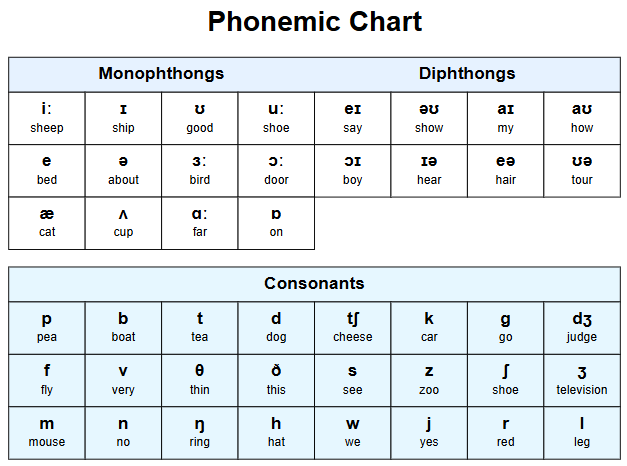
Actionable Tip: Start with basic phonetic charts and focus on sounds like /æ/ (cat), /ʌ/ (cup), and /θ/ (think). Using phonetic transcriptions can help reinforce these sounds. Good pronunciation resources will provide audio examples of these fundamental sounds to help train your ear.

Tip 2: Understand Word Stress and Intonation
Overview: Word stress refers to emphasizing certain syllables in words, and intonation is the rise and fall of your voice while speaking.
Actionable Tip: Practice stressing the right syllables in words, such as 'photograph' vs. 'photographer.' Listen carefully to how native speakers emphasize different parts of words and try to mimic their patterns. Many pronunciation guides will highlight which syllables should be stressed in multi-syllable words.

Tip 3: Use Phonetic Transcriptions (IPA)
Overview: The International Phonetic Alphabet (IPA) can seem daunting, but it's an incredibly powerful tool for mastering pronunciation.
Actionable Tip: Start familiarizing yourself with IPA symbols for common English sounds. Use a dictionary with IPA symbols or a pronunciation resource that shows phonetic transcriptions to see how words are pronounced. Understanding these symbols will give you a visual representation of sounds that can be difficult to describe in writing.
Tip 4: Listen to Native Speakers Regularly
Overview: The more you listen to native speakers, the more natural your pronunciation will become.
Actionable Tip: Try mimicking what you hear in English movies, podcasts, or videos. Focus on the rhythm, stress, and intonation of native speakers. Pronunciation practice becomes much more effective when you have authentic examples to follow. Consider using resources that let you hear words pronounced in different regional accents.

Tip 5: Record Yourself Speaking
Overview: Recording yourself is a fantastic way to measure your progress and identify areas where you need improvement.
Actionable Tip: Use your phone or computer to record your speech. Then, listen carefully and compare your pronunciation to native speakers, paying attention to differences. This self-assessment technique helps you become more aware of your speech patterns and identify specific sounds or words that need more practice.
Tip 6: Practice Speaking with a Language Partner
Overview: Conversing with a language partner gives you real-time feedback and can accelerate your learning.
Actionable Tip: Join a language exchange group or find a speaking partner online. Practicing with a native or fluent speaker is invaluable for improving your pronunciation. They can point out errors that you might not notice yourself, and provide immediate corrections that help you adjust your speech patterns.

Tip 7: Learn Regional Accents
Overview: English pronunciation can vary widely depending on the region (e.g., American vs. British vs. Australian English).
Actionable Tip: Try to understand and mimic the regional variations in pronunciation. If you're learning American English, practice listening to American speakers regularly. Being exposed to different accents improves your overall comprehension skills and helps you communicate more effectively with a wider range of English speakers.

Tip 8: Practice Difficult Sounds
Overview: Some sounds in English are notoriously difficult for non-native speakers, such as the "th" sound in "think" or "this."
Actionable Tip: Isolate the challenging sounds and practice them repeatedly. Try tongue twisters like 'The thirty-three thieves thought that Thursday was their thirtieth birthday' to help you with sounds that are hard to pronounce. Focused practice on these troublesome sounds will yield better results than general speaking practice.
Tip 9: Focus on Linking Sounds
Overview: Native English speakers often link words together to make speech flow more naturally.
Actionable Tip: Practice linking words in sentences, such as "I wanna go" instead of "I want to go." This will help your speech sound more fluent and natural. Pay attention to how words blend together in natural speech - good pronunciation resources will demonstrate these connected speech patterns.
Tip 10: Be Patient and Keep Practicing
Overview: Pronunciation improvement takes time and consistent effort. Celebrate small victories along the way.
Actionable Tip: Set small, achievable pronunciation goals (e.g., mastering 10 new words a week) and track your progress. Remember that even native speakers have different accents, so aim for clarity rather than perfection. Regular practice with good resources and feedback is the key to continuous improvement.

Where These Tips Help in Real Life
Learners improve faster when practice matches real situations, not isolated word lists. Here are common contexts where pronunciation clarity changes outcomes:
- Job interviews: clearer stress and rhythm make answers sound more confident and easier to follow.
- Customer calls: precise consonants reduce misunderstandings and repeated clarifications.
- Class presentations: better pacing and vowel clarity improve audience comprehension.
- Daily conversations: reduced hesitation boosts natural flow and speaking confidence.
A 7-Day Pronunciation Practice Plan (15 Minutes/Day)
Use this one-week cycle to turn the 10 tips into consistent habits. Repeat the cycle weekly with new words.
- Day 1: vowel and consonant contrast drills (minimal pairs such as ship/sheep, bat/bet).
- Day 2: word stress training on 20 multi-syllable words from your work or study context.
- Day 3: IPA decoding session (read, then speak 15 words from transcription first).
- Day 4: shadowing practice with short native clips (5 to 10 seconds each).
- Day 5: record-and-review day (identify 3 recurring errors and write corrections).
- Day 6: linked speech drills (function words, contractions, and phrase rhythm).
- Day 7: live transfer practice (simulate a call, interview answer, or class introduction).
Common Pronunciation Mistakes and Fast Fixes
Mistake: speaking every syllable with equal force. Fix: mark primary stress before speaking the word.
Mistake: relying only on spelling. Fix: check IPA and audio before repetition.
Mistake: practicing random words without context. Fix: train words inside short, useful sentences.
Mistake: no feedback loop. Fix: compare one daily recording against a native reference.
Pronunciation FAQ (Practical)
How long does it take to sound clearer?
Many learners notice clear improvements in 2 to 4 weeks with daily focused practice. Accent identity may remain, but intelligibility usually improves quickly.
Is accent reduction necessary for good communication?
Not always. The better target is intelligibility: clear vowels, clear consonants, accurate stress, and natural pacing.
Should beginners start with IPA immediately?
Start with core symbols tied to frequent sounds. You do not need full IPA mastery on day one to get meaningful results.
References and Learning Standards
This guide follows commonly accepted pronunciation teaching practices used in ESL/ELT classrooms and exam preparation.
- Cambridge English Pronouncing Dictionary conventions
- Oxford Learner's Dictionaries pronunciation guidance
- International Phonetic Alphabet (IPA) framework
- CEFR-aligned speaking goals focused on intelligibility and interaction
4-Week Example: From "Understandable" to "Clear and Confident"
A learner preparing for international interviews followed this exact approach for four weeks: 15 minutes daily, one recording every evening, and one review session every Sunday. In week one, most errors came from stress placement and rushed endings. In week two, she switched to sentence-level drills and started comparing her recordings against short native clips.
By week three, listeners no longer asked her to repeat key words in mock interview answers. Week four focused on pacing and confidence under pressure. The accent did not disappear (and did not need to), but clarity improved enough that message quality became the focus instead of pronunciation errors.
This is the realistic goal for most learners: make speech consistently understandable, then progressively polish rhythm, stress, and tone for professional contexts.
Self-Review Checklist You Can Reuse Weekly
- Did I practice both listening and speaking, not only reading?
- Did I train stress and rhythm in full sentences, not isolated words only?
- Did I review at least three recordings and identify one repeated error pattern?
- Did I practice difficult contrasts (for example /iː/ vs /ɪ/, /v/ vs /w/, /θ/ vs /s/)?
- Can I now produce the same target phrases clearly at natural speaking speed?
If your answer is "yes" to four or more items, your routine is strong. If not, adjust your next week before adding more material.
Get pronunciation as you read: the QuickPronounce extension works on any page, not just this one.
Add to ChromeReady to Perfect Your Pronunciation?
Our pronunciation tool can help you practice these techniques and improve your English speaking skills.
Try it now