
How to Pronounce Words, IPA, and Accent Differences
Master phonetic transcription, explore American vs British audio, and find practical guides for words learners search and replay most often.
How to Pronounce 50 Mispronounced English Words
Master tricky English pronunciation with this detailed audio guide. Learn to say difficult words correctly and never make common mistakes again!
8 min read
How to Pronounce English Words Better: 10 Practical Tips
Improve your speaking skills with 10 actionable tips on phonetics, word stress, and intonation. Perfect for ESL learners who want to sound more natural.
7 min read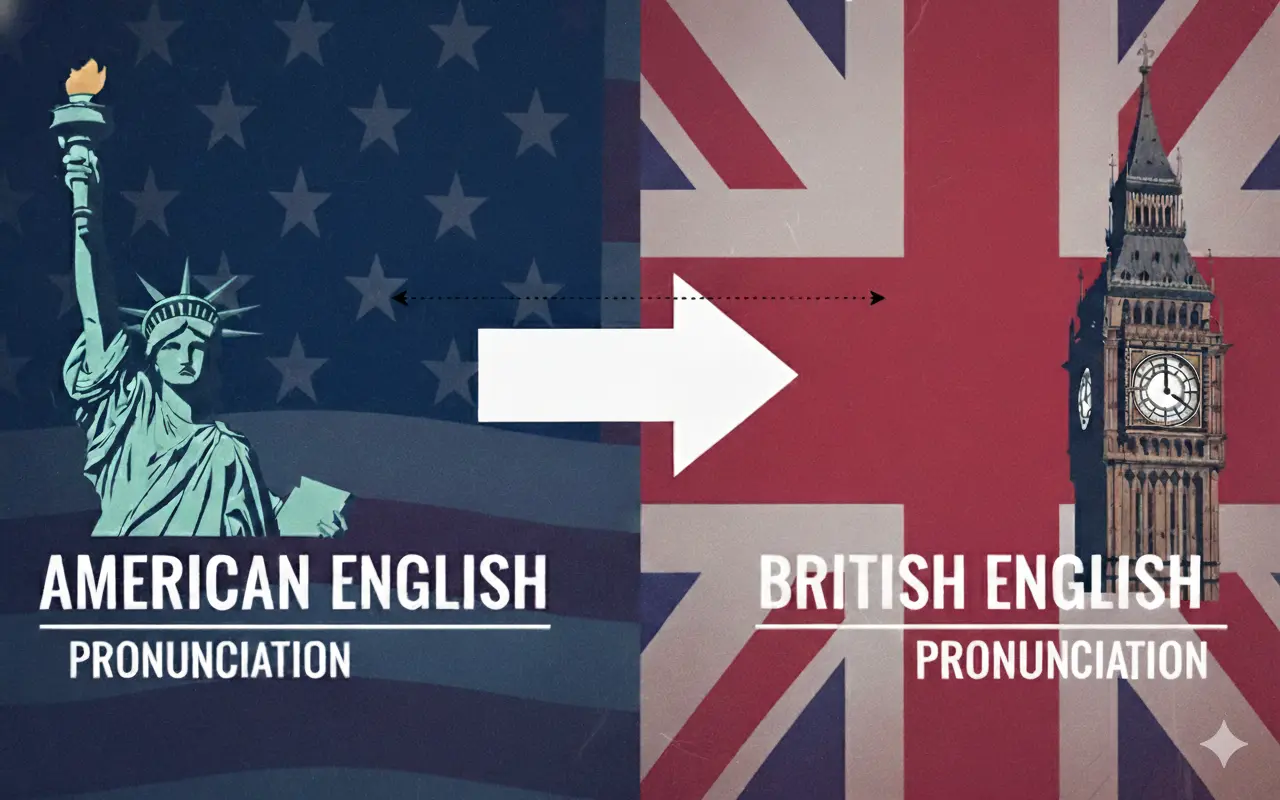
How to Pronounce American vs British English: 4 Core Sound Rules
Compare American vs British pronunciation audio side by side. Learn 4 core sound rules with IPA and real examples.
12 min read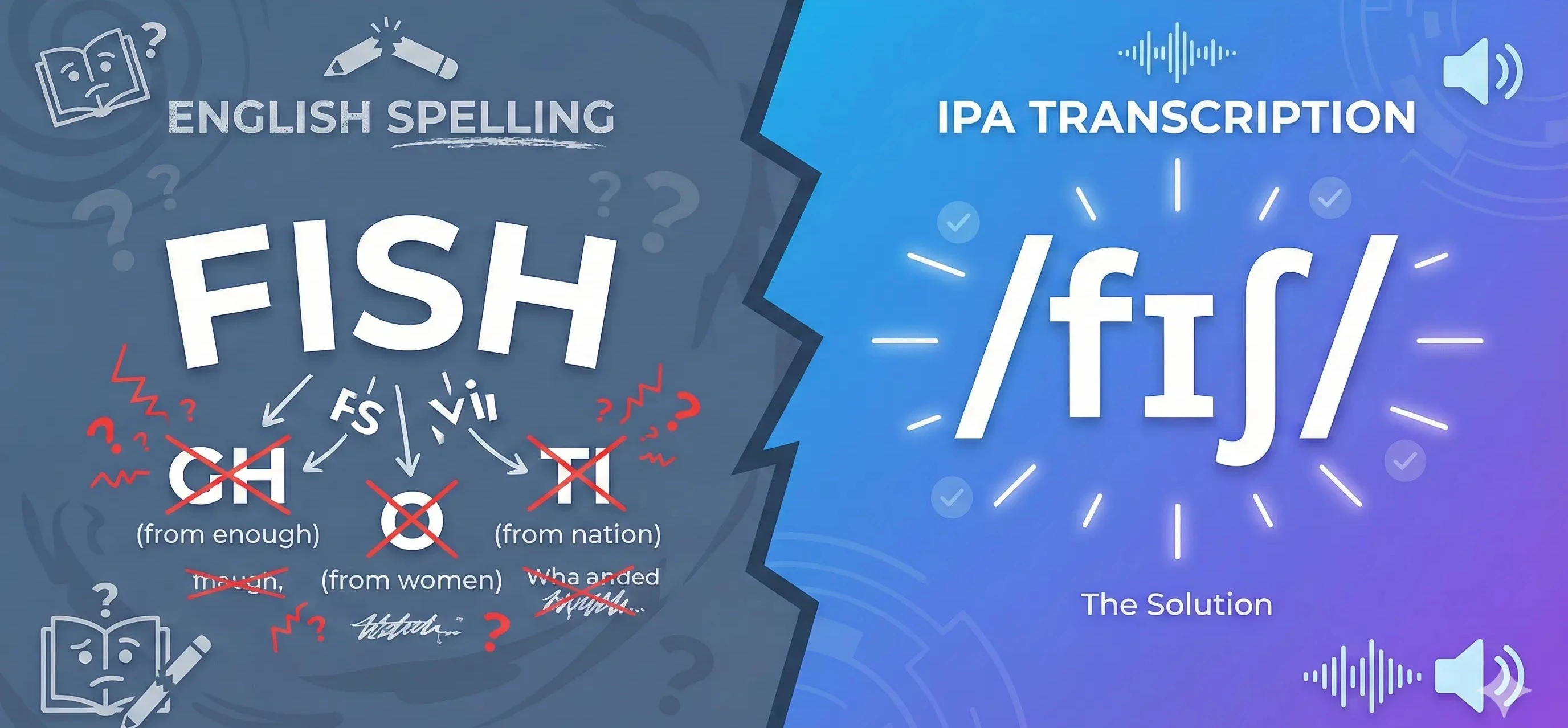
How to Read IPA and Pronounce English Words Correctly
Learn how to read IPA for English pronunciation. Decode key symbols, practice sounds, and check word pronunciation with audio.
8 min read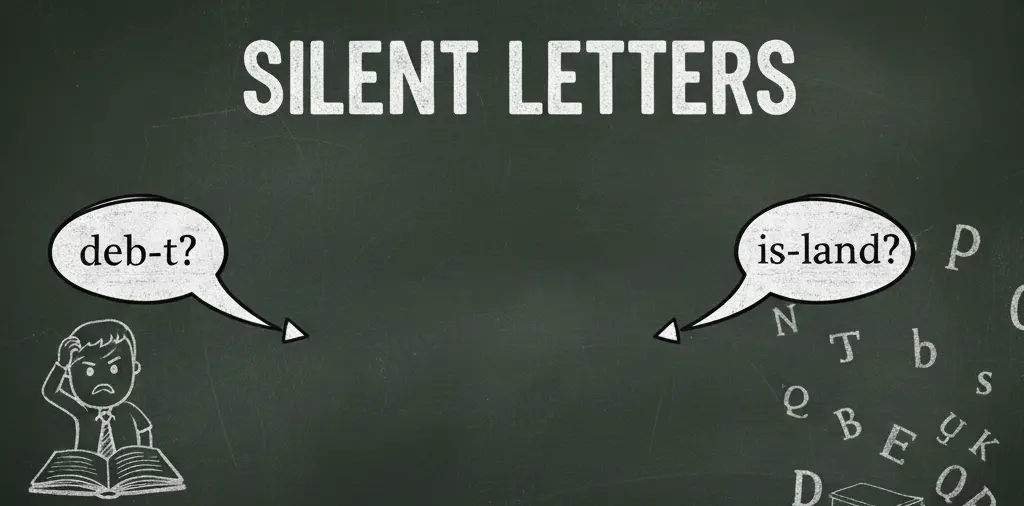
How to Pronounce Silent Letters in English Correctly
Learn silent letter pronunciation rules for B, K, L, P, G, H, T, and W with IPA examples and common words.
10 min read
How to Improve IELTS Speaking Pronunciation: Practical Training Plan
Learn how to improve IELTS speaking pronunciation with drills for stress, connected speech, and fluency in exam responses.
12–14 min read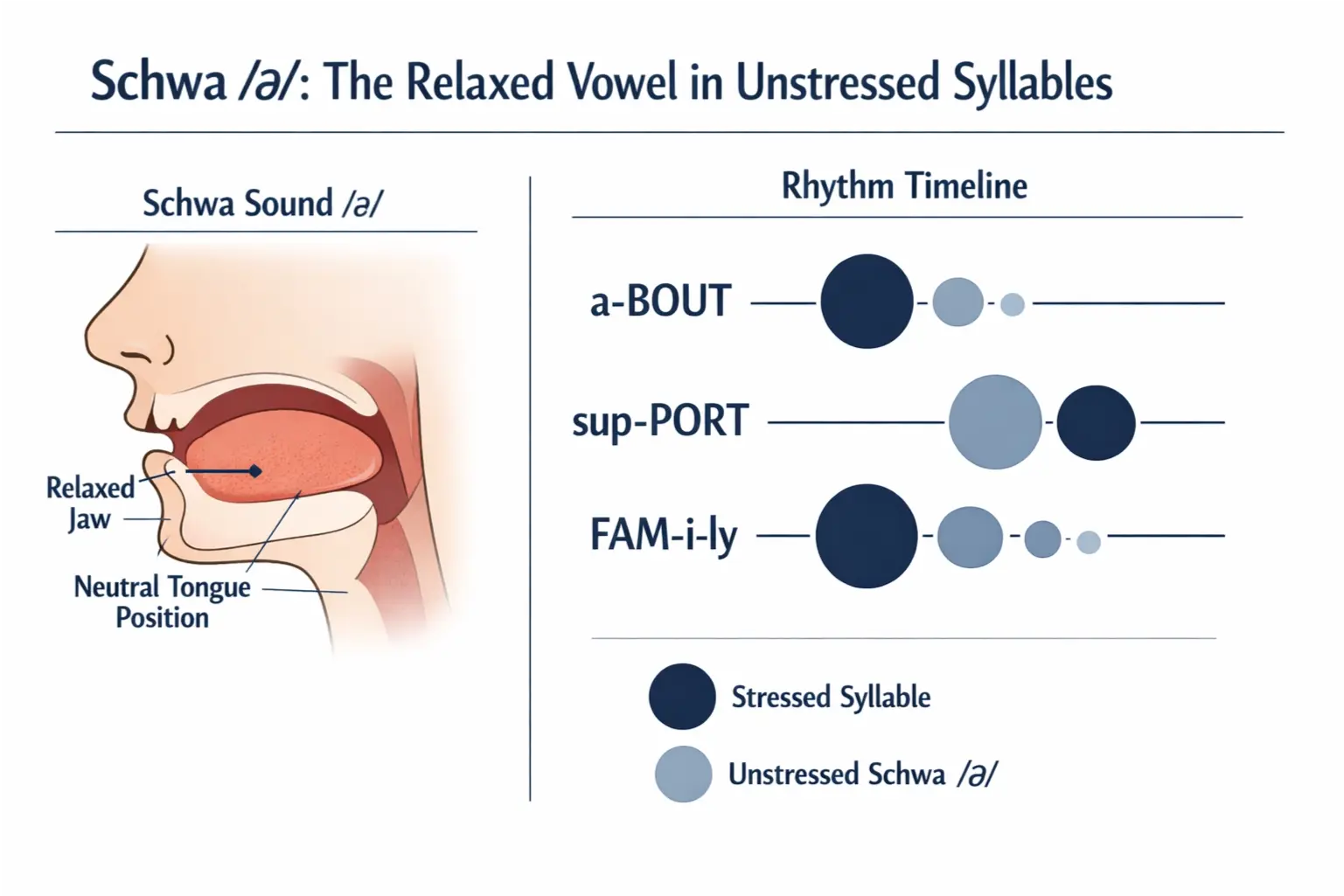
How to Pronounce the Schwa Sound: The Relaxed English Vowel
Learn the most common English vowel sound with practical examples, analogies, and a 5-minute daily drill.
9 min read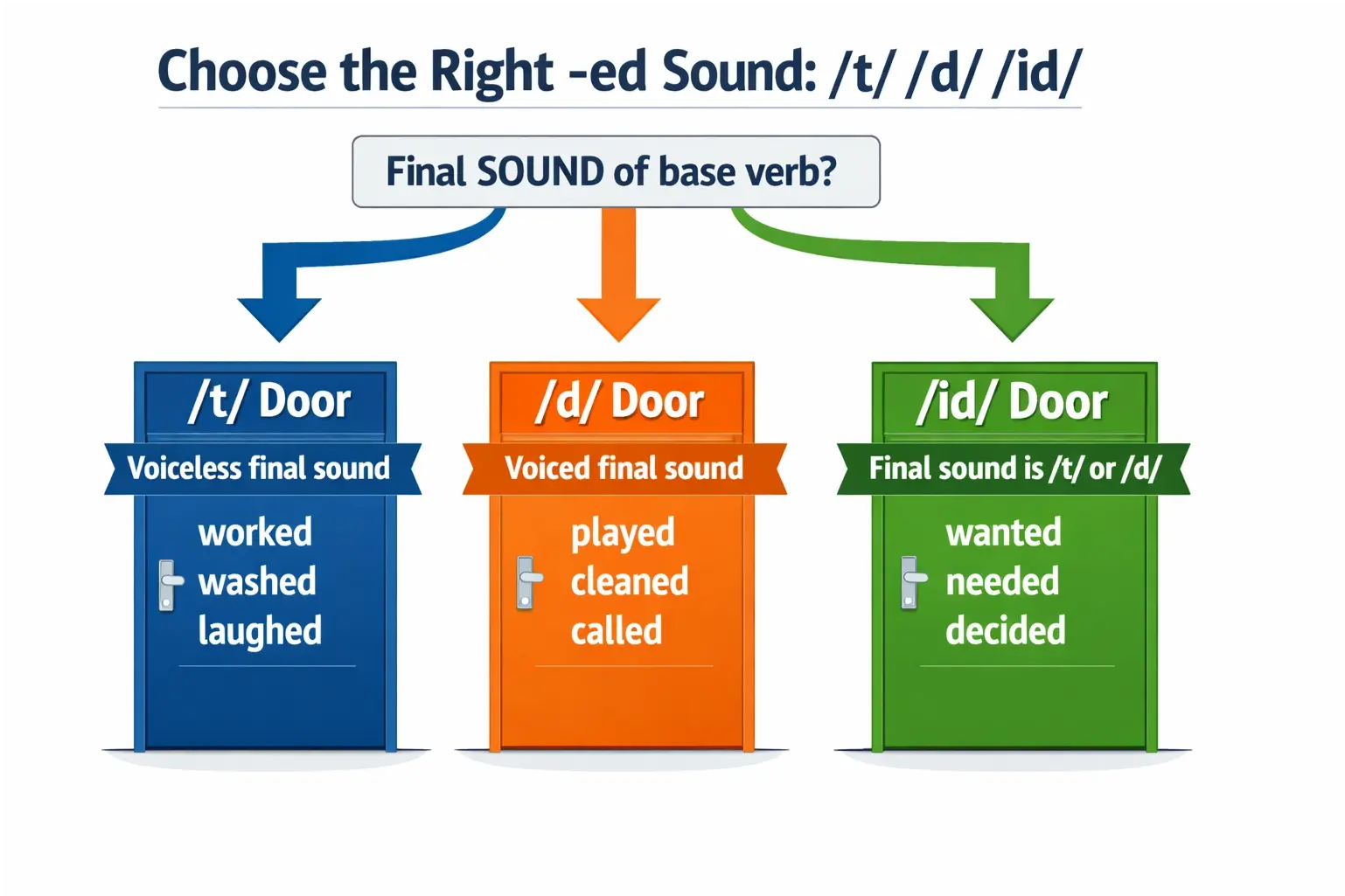
How to Pronounce -ed Endings Without Guessing the Sound
Master /t/, /d/, and /id/ past-tense endings with a simple rule system and quick speaking drills.
8 min read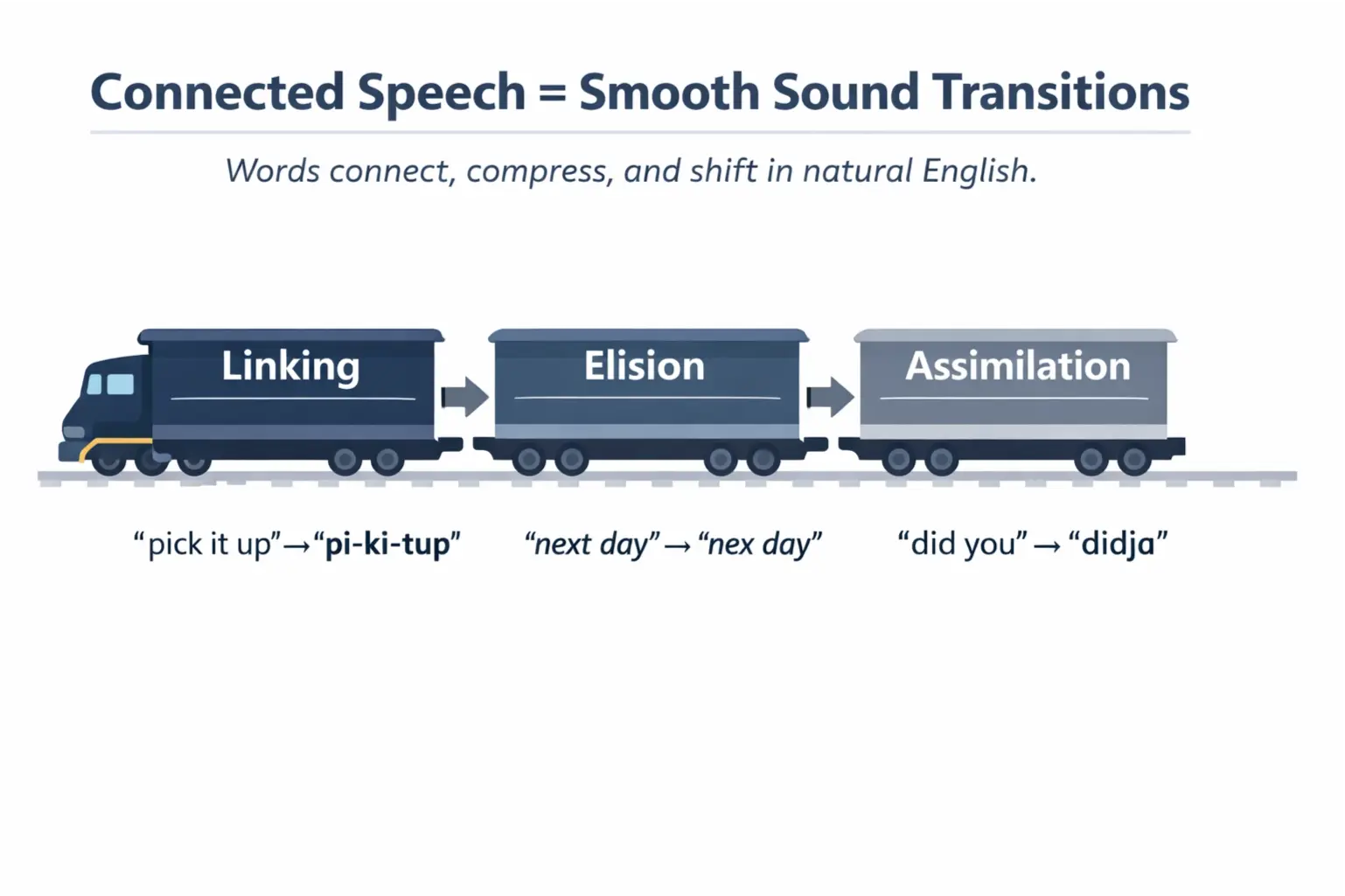
How to Pronounce Connected Speech in Natural English
Understand linking, elision, and assimilation with examples, analogies, and a repeatable 7-minute drill.
11 min read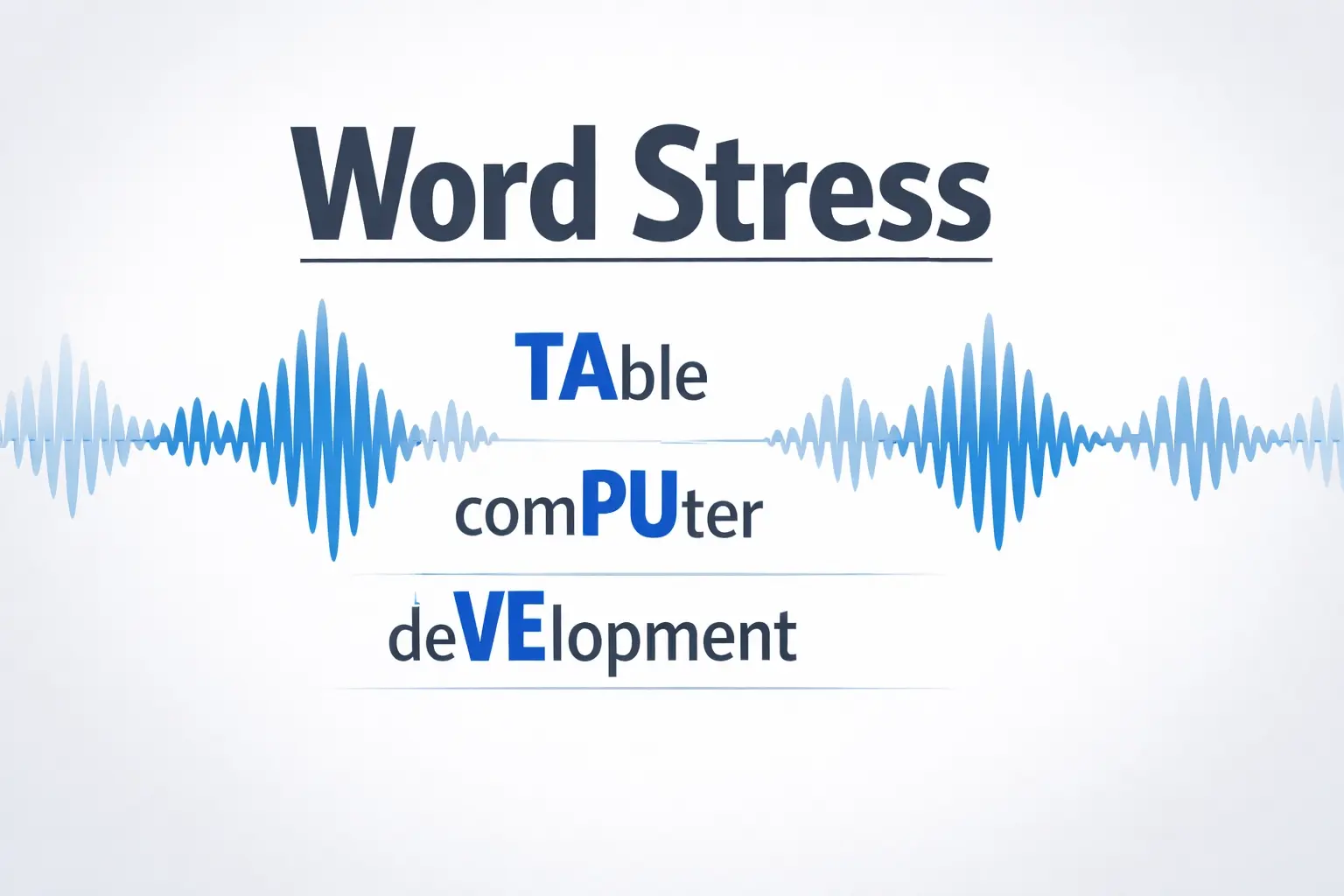
How to Pronounce Words with Correct English Word Stress
Learn practical word stress rules with real examples and drills to sound clearer in conversations, meetings, and exams.
14–16 min read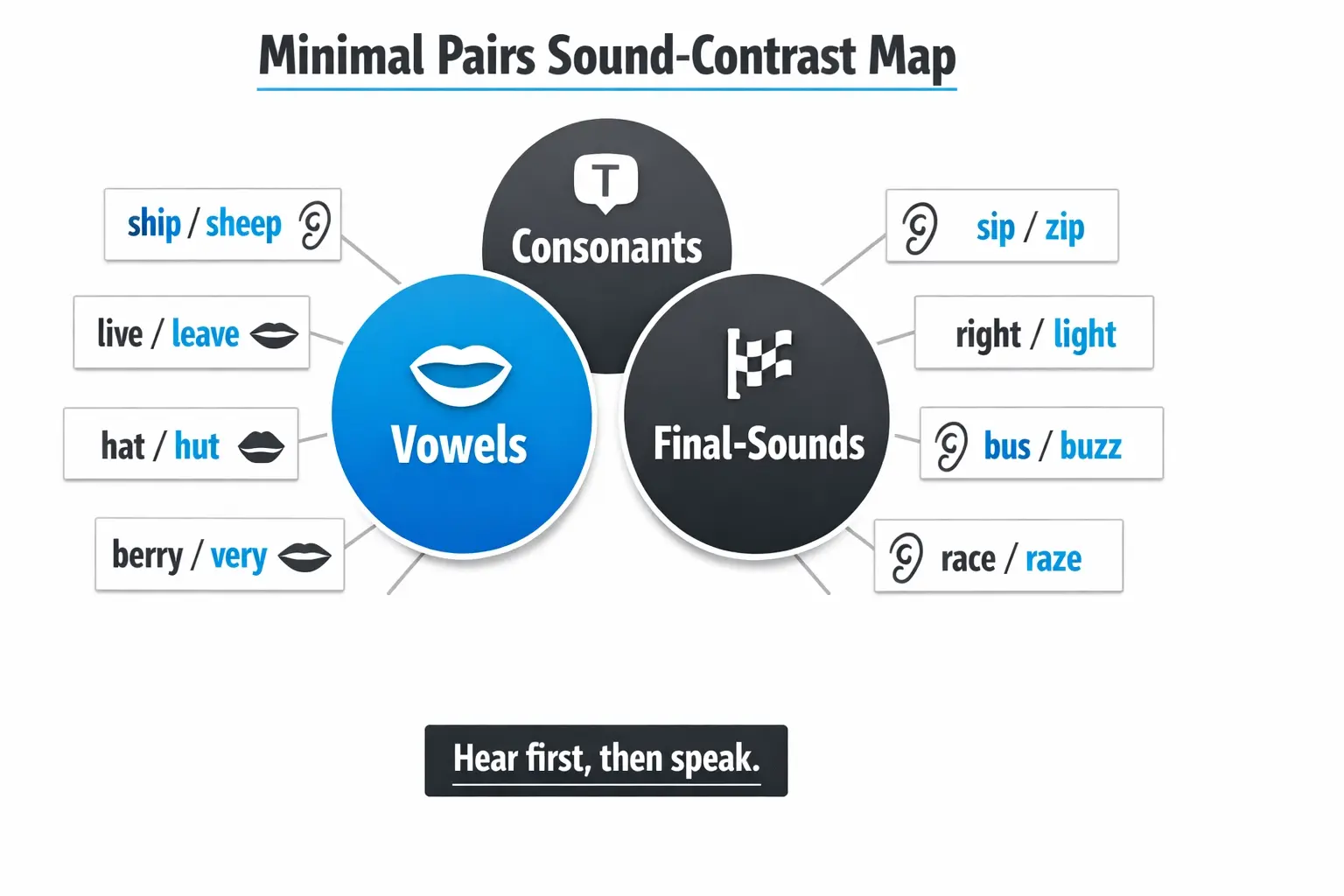
How to Pronounce Confusing English Sounds with Minimal Pairs
Train high-impact sound contrasts with a practical system that improves both listening precision and speaking clarity.
15–17 min read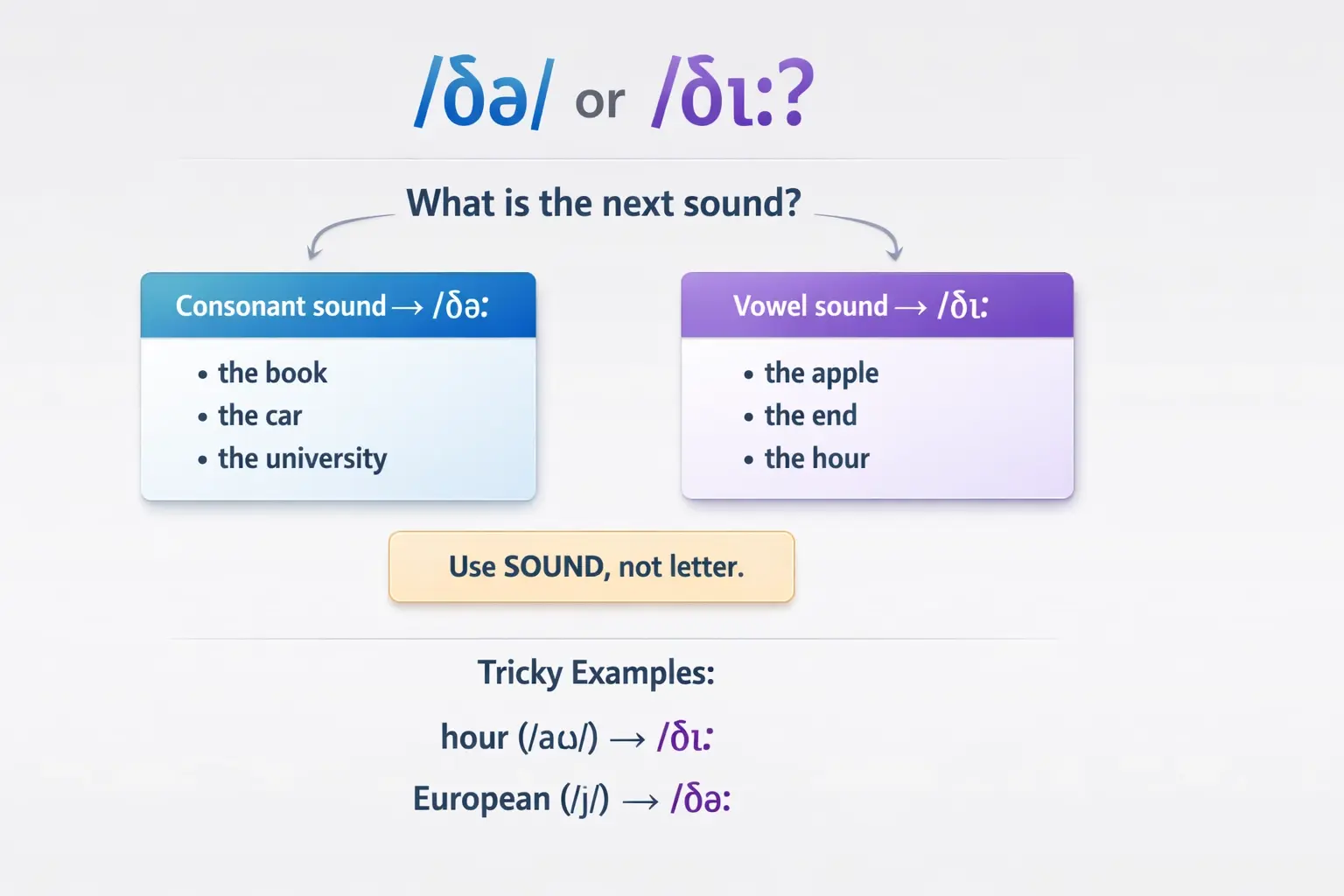
How to Pronounce 'The' Correctly: /ðə/ vs /ðiː/ Rule
Master when to say /ðə/ vs /ðiː/ with sound-first rules, natural examples, and rhythm-friendly practice.
12–14 min readGo Deeper: Learning System & FAQ
Prefer testing yourself over reading?
Try our pronunciation quizzesIf you want to improve pronunciation efficiently, avoid random article hopping. Start with foundation guides, then move to high-impact contrast topics, and finally train fluency patterns in full conversation. This sequence helps your ears and speech muscles adapt in a logical way.
- Foundation: begin with IPA and basic sound awareness so symbols and stress marks feel familiar.
- High-frequency errors: work through commonly mispronounced words and silent letter patterns.
- Contrast training: use pair-based guides such as minimal pairs and the vs thee to sharpen listening precision.
- Fluency layer: add connected speech, schwa, and word stress routines for natural rhythm.
- Performance transfer: apply the same skills to interviews, presentations, and exam speaking tasks.